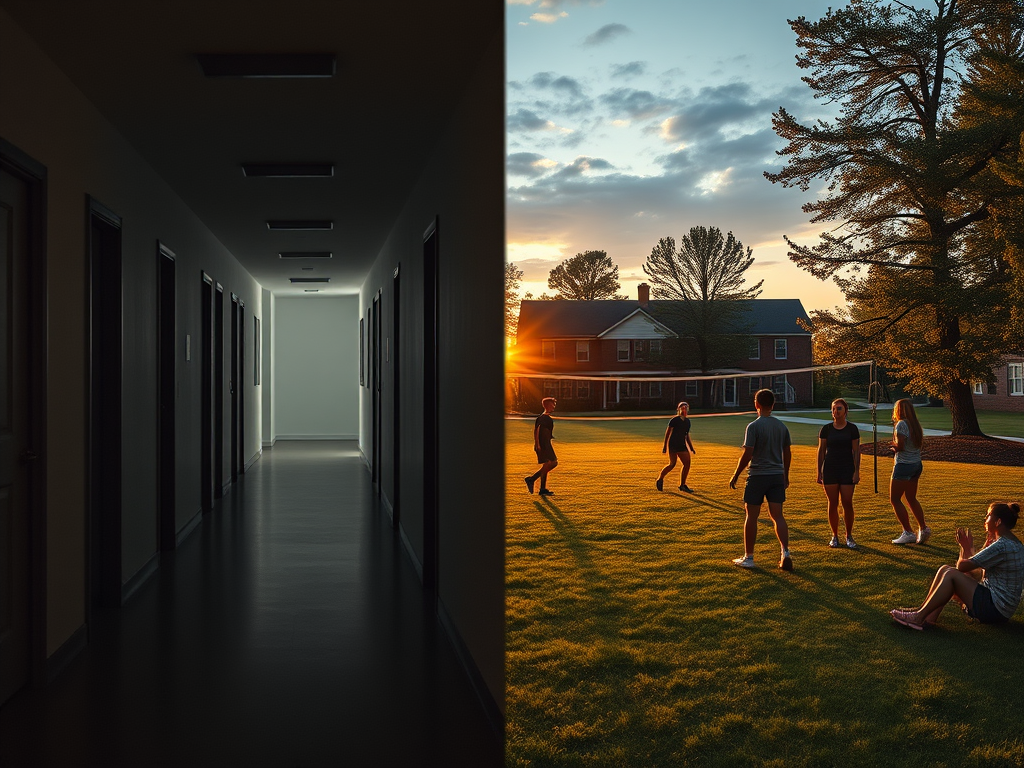
Every boarding school invests enormous energy into admissions.
Schools travel across the world recruiting students. Admissions teams read hundreds of applications. Families tour campuses, interview with faculty, and carefully consider whether a school is the right fit for their child.
When a student finally enrolls, it often feels like the work is finished.
In reality, the most important work is just beginning.
Admissions may bring students to campus, but student life determines whether they stay.
The First Enrollment and the Second Enrollment
The first enrollment happens when a student chooses to attend.
The second enrollment happens when a student decides to return.
That second decision is shaped less by admissions brochures and more by lived experience. It is shaped by friendships, belonging, leadership opportunities, and whether a student feels connected to the life of the school.
In boarding schools, where students live and learn in the same environment, that experience is shaped largely through student life and campus involvement.
Belonging Is Built Through Participation
Research across higher education consistently shows that student involvement strongly influences persistence and retention. When students become engaged in clubs, leadership opportunities, athletics, or campus events, they develop stronger connections to their institution and their peers.
Boarding schools operate in a similar ecosystem, even if we do not always frame it that way.
A student who joins a club, helps organize a campus event, or runs for a leadership role is doing more than filling time. They are building identity within the community.
They begin to see themselves as more than a student who attends the school. They begin to see themselves as someone who belongs there.
That shift matters.
Students who feel ownership of their school are far more likely to stay through challenges, whether those challenges are academic, social, or personal.
Programming Is Not Just Entertainment
In many boarding schools, weekend programming and student activities are sometimes seen as secondary priorities. They can be treated as entertainment rather than strategic components of the student experience.
But thoughtful programming does something much more important than fill the calendar.
It creates opportunities for connection.
A trivia night, a movie on the quad, a student-run club meeting, or a campus tournament might seem small in isolation. Yet these moments often become the stories students remember most about their school.
They are also the moments when friendships form.
Those friendships become the foundation of belonging.
Student Leadership Multiplies Engagement
One of the most effective ways to build engagement is to give students ownership of the programming itself.
In my current role, I ask students to elect representatives among their peers during the third week of school to serve on the Activities and Weekend Programming Committee. This group helps plan events, suggest new activities, and serve as a bridge between students and administration.
The results are powerful.
When students design the experience themselves, participation increases. Ideas become more creative. Events feel authentic because they reflect the interests of the community.
Most importantly, students begin to see themselves not just as participants but as leaders within the school.
That leadership deepens their connection to the institution.
The First 30 Days Matter Most
For many boarding students, the first month of school determines how they will experience the entire year.
During those first weeks, students are quietly asking themselves a series of questions:
Will I make friends here?
Do I feel comfortable in the dorm?
Is there something I am excited to be part of?
Do people know my name?
Student life professionals have an opportunity to answer those questions early.
Clubs, leadership opportunities, dorm activities, and campus traditions create the first points of connection that help students move from uncertainty to belonging.
When those connections happen early, the entire trajectory of the year can change.
Admissions and Student Life Must Work Together
Admissions teams often spend months developing relationships with prospective families. They learn about students’ strengths, challenges, and interests.
That information becomes incredibly valuable once a student arrives on campus.
The strongest schools recognize that admissions and student life are not separate functions. They are part of the same ecosystem.
When admissions professionals share insight about a student’s passions or learning style, student life teams can help guide that student toward meaningful involvement early in the year.
That collaboration ensures the promise made during the admissions process becomes a lived reality once school begins.
The Future of Boarding School Retention
As boarding schools continue to compete for enrollment, the conversation often centers on recruitment strategies.
Yet the schools that thrive long term will be the ones that invest equally in retention.
Retention is not driven by marketing. It is driven by experience.
It is driven by whether students feel seen, valued, and connected to their community.
Student life is where that connection takes shape.
Admissions may open the door, but the daily experience of campus life determines whether students walk through it again the following year.
When schools treat student involvement, leadership opportunities, and community programming as central components of the educational experience, something powerful happens.
Students stop feeling like visitors.
They start feeling like they belong.
And when students feel that sense of belonging, they stay.
Leave a Reply