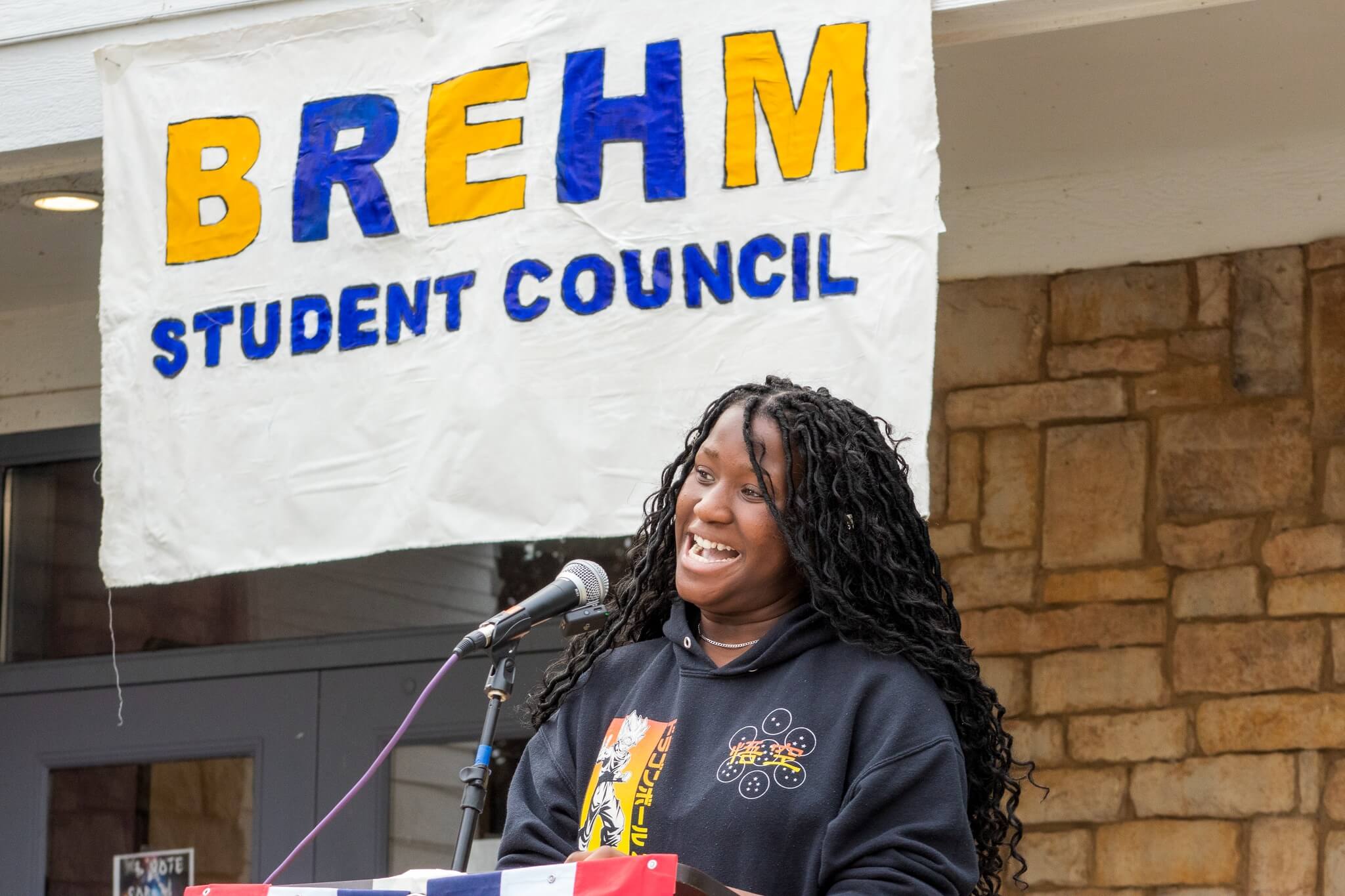
Schools talk a lot about student leadership.
We praise it.
We advertise it.
We put it in handbooks, brochures, and campus tours.
But here is the truth that becomes obvious every February:
If students have no agency, then they are not leading anything at all.
In many schools, “student leadership” actually means adult controlled roles with limited decision making power. Students are given titles but not influence. They are assigned tasks but not ownership. They follow procedures rather than shape them.
That is not leadership.
That is compliance disguised as voice.
February is when these cracks become visible. Midyear burnout sets in. Motivation drops. Students start questioning whether their leadership roles have meaning or if they are simply participating in a system built entirely by adults.
This is the moment when schools need a wakeup call.
The Myth of Student Leadership
Many schools believe they have strong student leadership programs because students hold:
- Officer positions
- Prefect roles
- Dorm titles
- Club presidencies
- Committee seats
But titles do not equal agency.
Leadership without choice is not leadership.
Leadership without risk is not leadership.
Leadership without ownership is not leadership.
The adult to student ratio of influence is often wildly imbalanced. Adults hold the power, and students are asked to execute pre-designed plans.
Students know the difference.
You can see it clearly in February, when the excitement of the fall fades and the real question emerges:
Does my school actually trust me to lead?
Where Schools Lose Students in Leadership Roles
1. When adults hold all the decision making power
Students quickly learn that they are only “leaders” if their ideas perfectly match adult expectations. Anything else gets rewritten or dismissed.
2. When leadership becomes a checklist, not a calling
Students do not want meetings that could have been emails. They want purpose, not busywork.
3. When involvement is scripted
If every program is adult planned, students learn that their “leadership” is simply participating on command.
4. When only certain types of students are visible
Leadership pipelines in many schools privilege:
- extroverts
- popular students
- students with perfect records
- students who already fit the culture
This excludes the quiet leaders, the imaginative leaders, the resistant leaders, and the students who could actually transform the community.
Winter reveals the consequences of these choices.
What Authentic Student Leadership Looks Like
Real leadership is not quiet.
It is not neat.
It is not predictable.
It looks like:
- Student driven ideas
- Student designed events
- Student managed committees
- Student led communication
- Student motivated peers
- Student voiced concerns shaping culture
And most importantly, it looks like student choice.
This is why, in my current role as Chairman of Student Activities and Weekend Programming at Tallulah Falls School, I made a structural shift. In Week 3 of the school year, students elect their own peers to serve as officers on our Activities and Weekend Programming Committee.
Not adults choosing.
Not me hand selecting.
Not a popularity contest.
A real student run election that sets the tone for authentic involvement.
When students choose their leaders, they invest in them.
When students design programs, they attend them.
When students have a voice, they stay engaged long after winter burnout hits.
And when students feel trusted, they grow.
Why February Is the Best Month to Reform Student Leadership
February is not a dead month.
It is a diagnostic month.
Students are honest now. Burnout is visible. Engagement gaps show themselves. Adults see where leadership roles are functioning and where they are failing.
This makes February the ideal time to:
- rewrite leadership expectations
- hand over real decisions
- restructure committees
- train student leaders more intentionally
- reset the culture of involvement
January builds momentum.
February determines whether it lasts.
A Call to Schools: Co-Creation Is the Future
The strongest student leadership model is not adult leadership with student assistance.
It is co-creation.
Co-creation means adults hold the frame while students shape the experience.
It means shared ownership.
It means shared accountability.
It means shared imagination.
Schools that embrace co-creation see:
- higher involvement
- stronger community
- healthier student identity
- deeper engagement
- improved retention
And the best part:
Students leave school understanding what leadership actually requires.
Not titles.
Not rules.
Not scripts.
But agency.
Final Thought
If schools want authentic student leadership, they must give students authentic power. That requires trust. It requires letting go. It requires rethinking structures that have been the same for decades.
February is the perfect moment to start.
Stop calling it leadership if students have no agency.
Call it what it needs to be.
Co-created.
Shared.
Student owned.
Real.
Leave a Reply