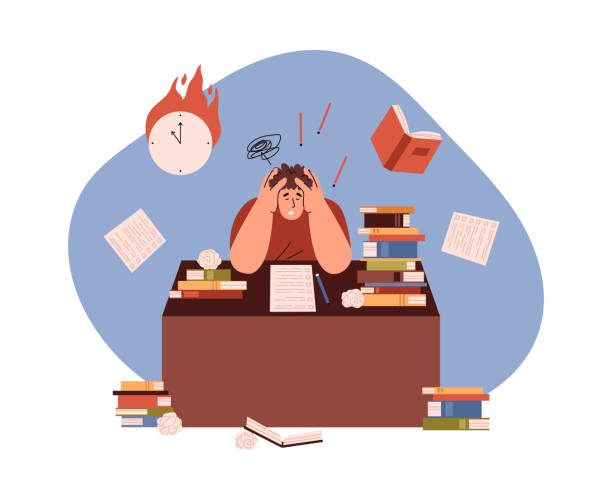
February is one of the quietest months in schools. It is also one of the most dangerous.
By the time February arrives, the energy of the fall is long gone, the excitement of January has faded, and the pressure of the spring has not yet begun. Students are stuck in the middle. That middle is where academic struggle grows the fastest.
The true academic crisis of February is not low grades.
It is silence.
It is withdrawal.
It is the moment when struggling students stop asking for help.
Every year, teachers and advisors notice the same pattern. Students who were holding steady in the fall begin slipping. Not dramatically, just quietly. They miss small homework assignments. They disengage in class. They become less responsive in advisory. Their confidence erodes one week at a time.
The most troubling part is that many students do not tell anyone. They drift academically without raising a flag. By March, the crisis becomes visible. By April, panic sets in. But the origin was February.
Why February Is the Breaking Point
1. The motivation drop is real
The “January reset” lasts shorter than most adults realize.
By early February, students hit a predictable slump:
- Less sunlight
- Less energy
- Fewer breaks
- More academic weight
- Stronger self doubt
Students who already felt behind begin questioning if recovering is even possible.
2. Social comparison grows stronger
In February, social circles in both day and boarding schools are fully established. Students know who the “strong students” are. They know who finished the fall well. And they know where they stand in comparison.
February becomes the month when students think, “Maybe I am not one of them.”
When students feel academically inferior, they seek less help, not more.
3. The work gets harder while confidence gets lower
Midyear units, multi step essays, lab reports, cumulative tests, and long term projects all begin appearing in February. Students who were barely holding on in the fall feel the floor drop out from under them.
Academic pressure rises.
Confidence drops.
Help seeking collapses.
4. Staff underestimate February
Faculty, advisors, and dorm staff are also dealing with their own winter fatigue.
Support becomes unintentional rather than proactive.
When adults lose energy, students lose access.
5. Students feel the weight of “too late”
By February, many students privately believe that:
- Everyone else is doing better
- Their teachers are disappointed
- They are the only ones struggling
- They should already know how to do the work
Once students internalize these beliefs, they stop reaching out.
That is the crisis.
The Students Most at Risk in February
The students in the highest danger are not always the ones who look like they are falling apart. In fact, the students who hide their struggle often fall the fastest.
1. The perfectionist students
They stay quiet because asking for help feels like admitting failure.
2. The quiet and compliant students
They never want to inconvenience an adult, so they remain silent.
3. The socially isolated students
They feel academically alone too.
4. The “middle of the pack” students
They do not stand out enough to draw concern until it is too late.
5. The students who had one bad week
That bad week becomes a bad month if no one intervenes.
What Schools Must Do Right Now
1. Treat February like a checkpoint, not a continuation
Schools should pause, assess, and reset.
Not academically, but emotionally.
Students need to hear:
“You are not behind. We begin again together.”
2. Build intentional academic confidence
Students need early wins:
- A small assignment graded quickly
- A positive comment
- A chance to revise work
- A reachable goal in each class
Confidence is built in inches, not miles.
3. Advisors must ask better questions
Do not ask:
“How are classes?”
Ask:
“What class feels the hardest to get started on each night?”
“What assignment have you been avoiding?”
“What do you wish your teachers understood about your workload?”
4. Teachers should reduce the psychological distance
A struggling student needs a teacher who feels accessible.
- Invite them to check in
- Normalize confusion
- Simplify directions
- Reduce shame around help seeking
Students seek help from adults who feel safe, not brilliant.
5. Residential teams are the early warning system
In boarding schools, dorm staff see the academic slump before anyone else:
- Increased room time
- Decreased social energy
- Procrastination
- Emotional flatness
Schools must empower residential adults to communicate these signs early.
Final Thought
Academic struggle in February is predictable, preventable, and too often ignored.
The crisis is not grades. It is silence.
Students disengage long before adults notice.
February is the month when quiet academic drift turns into real disengagement.
If schools want to improve retention, mental health, and academic confidence, this is the month to intervene.
The students who need help the most are often the ones who stopped asking for it or never asked from the beginning.
Leave a Reply