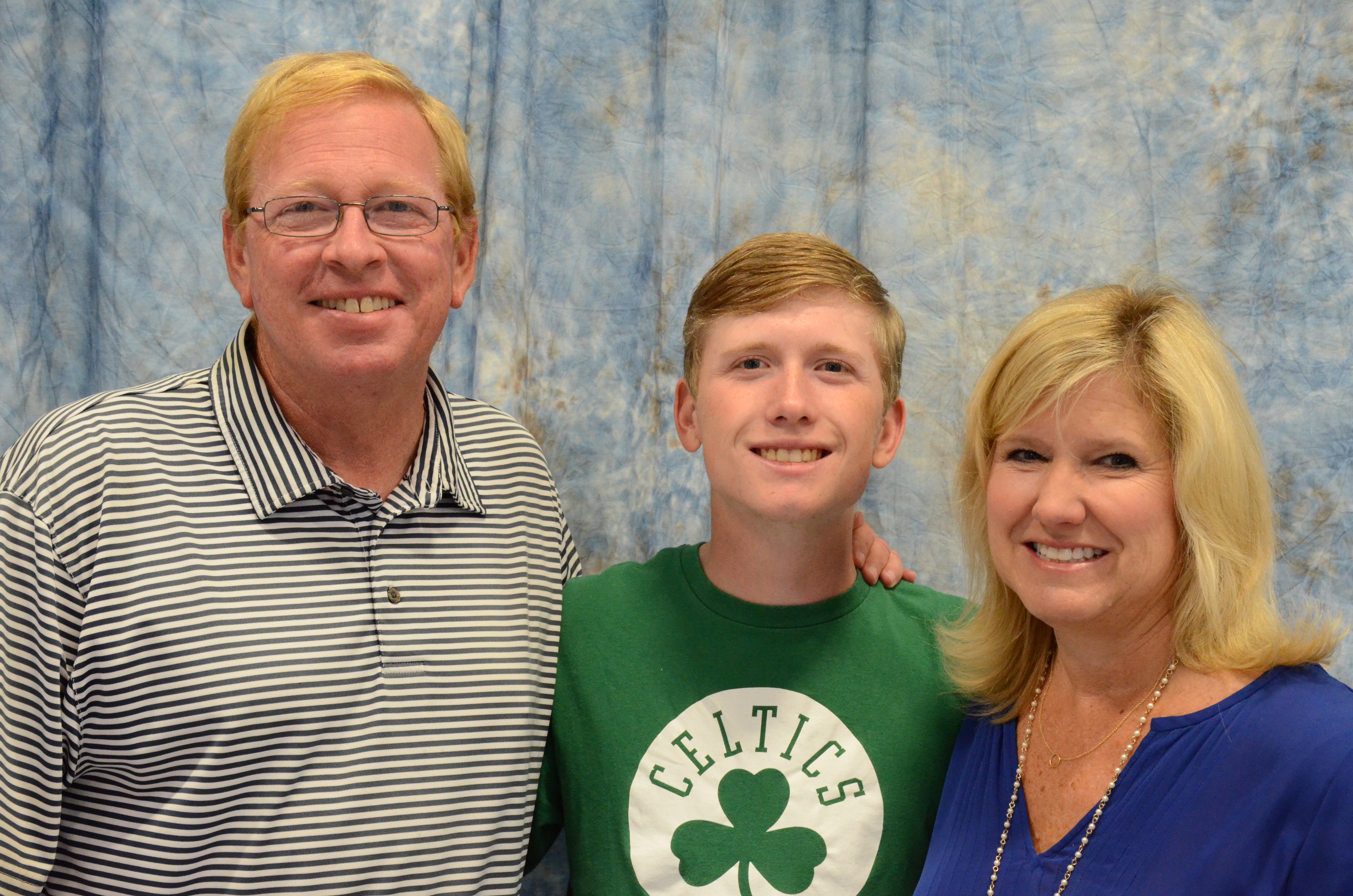
Growing up with ADHD and slow processing speed disorder, traditional school often felt like an uphill battle. My needs didn’t quite fit the mold, and though I tried, I often felt left behind. That changed when I attended a boarding school specifically for students with learning disabilities (LD). It was a place designed to recognize, support, and amplify my unique strengths. Here, I not only learned to keep up, but I thrived academically, socially, and emotionally. Research shows that LD students in specialized environments achieve higher levels of success, a truth I experienced firsthand in ways that continue to shape me to this day and have guided me to my career path in education. (Pictured Above is Move-In Weekend of my first year in boarding School) Thank you Mom and Dad for this amazing opportunity!
- A Community That Truly Understands
For the first time, I felt fully understood. My boarding school created an environment where everyone was on a similar journey, building a community of empathy and support. There was camaraderie in shared experiences, and we supported each other with genuine understanding. I wasn’t the only one working through challenges; we were all in it together. This sense of community was invaluable.
Data backs up this experience: according to the National Center for Learning Disabilities, LD students are 63% more likely to build meaningful peer connections in environments that foster inclusivity and support. At my boarding school, this was our way of life. As dorm president and back-to-back SGA president, I saw firsthand how a shared commitment to one another transformed both social and academic outcomes. Through study groups, student-led discussions, and events, we formed connections that strengthened our resolve and confidence, helping us face academic hurdles with the strength that comes from a supportive community.
- Individualized Attention That Unlocked My Potential
With small class sizes and teachers who knew us individually, learning was more personalized than I had ever experienced. My math teacher, Paul Kosuth, never gave up on me, even when math felt impossible. I always considered it my worst subject, but his patient, step-by-step approach allowed me to grasp concepts that had previously seemed out of reach. He wasn’t just teaching math; he was teaching resilience and showing me that with the right approach, I could tackle any challenge.
Research shows that smaller class sizes and individualized instruction lead to significantly better outcomes for LD students, with studies indicating a 27% increase in learning retention. The Association of Boarding Schools reports that 78% of boarding students feel academically prepared because of the level of tailored instruction they receive. For me, Paul’s belief in my potential translated into newfound confidence, one I carried with me into other subjects. This belief that my LD didn’t define me but was simply one part of my learning style was transformative.
- Beyond Academics: Learning Life Skills and Finding Passion
At boarding school, learning extended beyond the classroom. I joined three sports soccer, basketball, and golf which taught me resilience, teamwork, and discipline. I also had the honor of taking literature with Gary Featheringham, a teacher who inspired us to dig deeper, to read beyond the words on the page, and connect with literature in ways that felt personal. Gary was my Mr. Keating from Dead Poets Society, and his classes were about more than just literature; they were about discovering ourselves.
Engaging in sports and extracurricular activities was essential for me, helping me gain confidence and self-regulation skills. Studies by the Learning Disabilities Association of America suggest that LD students who participate in sports are 23% more likely to develop coping strategies, improving both academic and social outcomes. For me, balancing academics, sports, and my role as SGA president taught me invaluable skills in time management, resilience, and leadership—skills I carry with me even now.
- Resources That Taught Me to Advocate for Myself
One of the most pivotal relationships I had was with my Speech and Language Teacher, Barbara Drew, or “Barbie Drew” as we fondly called her. Barbie had an energy that could match any of us on our most ADHD days, and she had the gift of teaching us to be clear, assertive, and confident in asking for what we needed. She was as, if not more, ADHD than most of her students, and she understood us in a way no one else could. It was because of Barbie that I learned how to advocate for myself a skill that’s been indispensable. Barbie if you’re reading this your next Jameson is on me at PK’s!
Statistics back up the importance of self-advocacy for LD students. Research indicates that students who have access to speech therapy, counseling, and other targeted resources are 35% more likely to meet their academic and career goals. Barbie’s influence wasn’t limited to school. Her support empowered me to step out into the world knowing that my voice mattered. I didn’t have to hide my needs or feel ashamed of them; I could be confident in expressing them.
- A Culture of Inclusivity That Fueled My Growth
Traditional school environments often sidelined me, but boarding school celebrated our unique strengths. Our head of school, Dr. Richard Collins, was a true leader in fostering an environment of acceptance and growth. He was committed to ensuring that every student felt seen and valued, and he encouraged us to see our differences as strengths rather than limitations.
Data from the National Center for Education Statistics reveals that students in inclusive, supportive environments report a 32% increase in engagement and a stronger sense of community. Dr. Collins was instrumental in shaping a culture where each of us felt capable of achieving our goals. Through his example, I learned the importance of leadership grounded in compassion and inclusivity a lesson that continues to inspire my career today.
Finding My Purpose and Career Path
Reflecting on my journey, I am profoundly grateful for the mentors who helped me thrive: Barbara Drew, who taught me the value of self-advocacy and good music; Paul Kosuth, who never gave up on my math struggles (even though, I wouldn’t have blamed him if he did); Gary Featheringham, who opened my mind to critical thinking and self-exploration; and Dr. Collins, who led with compassion and inclusivity. They showed me that with the right support and environment, LD students don’t just survive they thrive.
These experiences ultimately inspired my career path. Today, I work in boarding schools, committed to providing the same level of guidance and understanding that shaped my life. My goal is to become a head of a boarding school, creating spaces where students with learning disabilities are empowered to discover their potential, as I was.
This journey is about more than personal success; it’s about contributing to an environment where LD students are seen, valued, and able to excel on their terms. Boarding schools made this possible for me, and I am dedicated to continuing that legacy, one student at a time.
Leave a Reply